
Table of Contents
AUSTIN, MN — SPAM Brand, the Hormel Foods subsidiary and canned meat product, confirmed Thursday that its marketing department has quietly discontinued all email-based outreach, ending a program that sources close to the company describe as having produced “essentially no measurable results” for a period its Director of Marketing would only characterize as “a while.”
“We’ve found email a very challenging channel for obvious reasons,” said SPAM Brand Marketing Director Cheryl Mossback, in a statement that she appeared to have prepared in advance and was not willing to discuss further.
The decision was reached internally after a third-party audit of the brand’s digital marketing performance. The auditing firm, Deloitte, submitted its findings in a report that sources say ran to 47 pages and whose executive summary was allegedly a single sentence. Deloitte declined to share the report. A spokesperson said only that it had been “a difficult conversation to have with a client” and that the firm wished SPAM well.
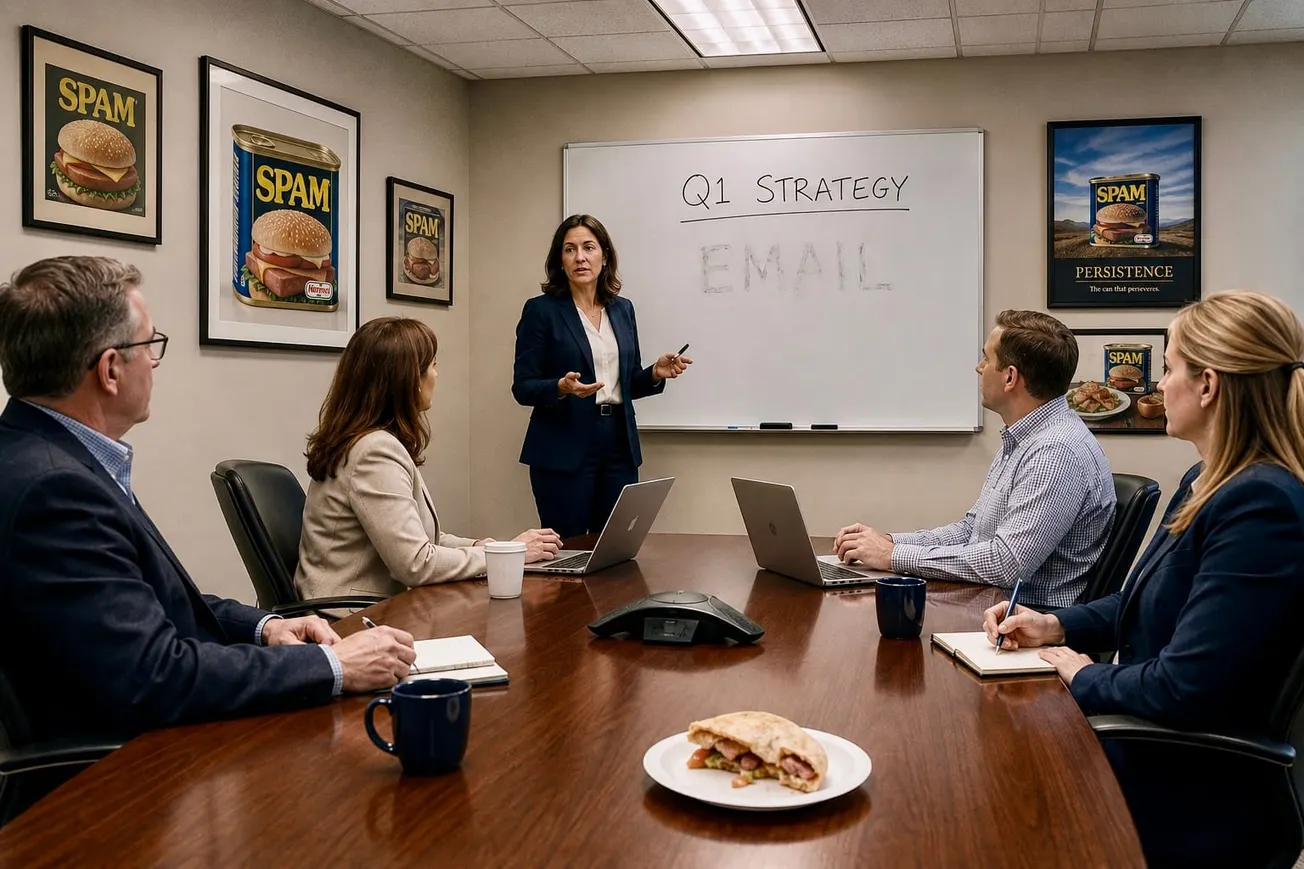
“We tried combating it. We tried embracing it. There was a period of time where we tried to raise awareness, even offering a recipe we called the Spam Folder, which was, essentially, fried SPAM stuffed into a pita,” Mossback said.
The campaign was discontinued after one quarter. No reason was given.
SPAM’s marketing team, which employs eleven people across copywriting, design, and brand strategy, will now direct its efforts entirely toward social media, in-store promotions, and what Mossback described as “experiential activations,” a term she used three times without defining.
Several team members, speaking on condition of anonymity, said the mood in the department had improved considerably since the pivot.
“There was a period where we were putting a lot of effort in and not seeing it connect with people,” said one senior copywriter who has been with the brand since 2020. “It started to feel like we were just shouting into a void. Which, I mean...” She did not finish the sentence.
A second employee described the email era as “demoralizing in a way that was hard to explain to people outside the company” and said she had stopped telling people where she worked at parties, “for a few reasons, not all of them related to this.”
SPAM’s last email campaign, a Valentine’s Day promotion titled Love at First Tin, launched in February and achieved what Mossback described as a “soft rollout.” When asked for open rate figures, she said the data was “still being analyzed” and changed the subject to the brand’s upcoming experiential activation in Scottsdale.
Industry analysts noted the irony of the situation but largely agreed it had probably gone on long enough.
“At a certain point you have to know when to walk away,” said Miriam Felts, a digital marketing strategist at Gartner who covers the food and beverage sector. “They gave it a real effort. I’ll say that.”
SPAM’s social media following has grown 34% since the pivot. The brand’s Instagram, which posts recipes and what Mossback calls “irreverent content,” has an engagement rate of 6.2%, which she described as “very healthy.”
She sent the engagement figures by text message.